
Regional Armies Gather To Discuss Collective Security
AUCKLAND, New Zealand—Army leaders from more than 25 nations gathered here for the 50th annual Indo-Pacific Armies Management Seminar (IPAMS) hosted by the New Zealand Army and United States Army Pacific.
The annual conference brought together senior landpower leaders from across the region to participate in open dialogue with their Indo-Pacific counterparts on a wide range of topics affecting the region, and provided a venue where attendees met face to face; fostering military-to-military cooperation on topics such as security cooperation, military deterrence, and regional stability.
This year’s theme, “The Sum is Greater Than the Parts: Security and Deterrence in the Indo-Pacific,” captured the essence of why IPAMS matters now more than ever.
“Across this region, land forces are the backbone of deterrence, security cooperation, and the connective tissue that binds nations together,” Lt. Gen. Joel Vowell, deputy commander, U.S. Army Pacific, told reporters during a media roundtable.
“When our armies train, communicate, and plan collectively, we generate a deterrence effect that is far stronger than any individual nation could achieve alone. Our discussions this week reinforce that truth,” said Vowell.
The world has changed and so too has the Indo-Pacific
New Zealand co-hosted this event in 2013. Since then, the regional security environment has dramatically changed and so too the innovative approaches nations must take to ensure their own regional security.
“Peace remains important, however in the past decade our region has responded to major natural disasters, a global pandemic, and heinous terrorist actions,” said Brig. Gen. Hamish Gibbons, New Zealand’s deputy chief of NZ Army. “Each event required integrated, whole-of-government responses and highlighted the adaptability and effectiveness of land forces.”
U.S. general Vowell also told conference attendees “There are real risks in this region. We won’t be given every tool and support that we all asked for, and our potential adversaries are working on how best to keep us apart. To dilute our contributions, to stay our goals of interoperability, that is their success-keeping us fragmented. Don’t let it happen.”
Regional Armies discuss their differences and similarities
For 50 years, IPAMS’ objective has been to promote peace and stability in the Indo-Pacific region through mutual understanding, dialogue, and friendship. IPAMS provided all participants with a unique opportunity to discuss the Indo-Pacific region’s security issues and to exchange ideas on issues of mutual concern. These discussions help generate combined deterrence and strengthen the Indo-Pacific land power network that is crucial to regional stability.
This took place during plenary sessions featuring distinguished guest speakers and lively discussions on the complexities of operating in various environments from peacekeeping, humanitarian assistance/disaster relief, leader development, military deterrence, and how to succeed in these perplexing situations.
The seminar’s working group sessions are specifically designed to be challenging and enlightening while promoting frank and open discussion. They also provided an opportunity to advance the understanding of key issues while showing respect for each other’s role in promoting security and stability in a free and open Indo-Pacific.
“A constant message emerged for our panels, syndicates, and informal engagements: no army can address the challenges of our region alone, said Gibbons. “The synergy of our collective strength derives from our partnerships, our interoperability, and our shared commitment to regional stability.”
The discussions and agreements gained during the conference foster collaborative relationships and are imperative to the future growth, stability, and development of gathered armies.
IPAMS is the preeminent event of the Indo-Pacific
Participation at this event has grown from 9 nations at the first conference held in Honolulu, Hawaii, in 1977, to a high of 31 nations that gathered in Seoul, Republic of Korea in 2017.
For five decades, this annual gathering underscores the collective resolve to maintain a stable Indo-Pacific, demonstrating that countries are most effective when they stand and act together.
“By listening and getting to know each other, we build trust and confidence now and not at crisis. It’s impossible to build trust once you’ve crossed that line of departure, it’s hard,” said Vowell. “Better to have known each other, work with each other, habituate relationships, so it’s easier to pick up the phone working together, side by side, to solve problems.”
Deepening our personal relationships and strengthening existing bonds builds the foundation for shared values, interests and commitments to the security and prosperity of the region.
The region is vast and fraught with challenges
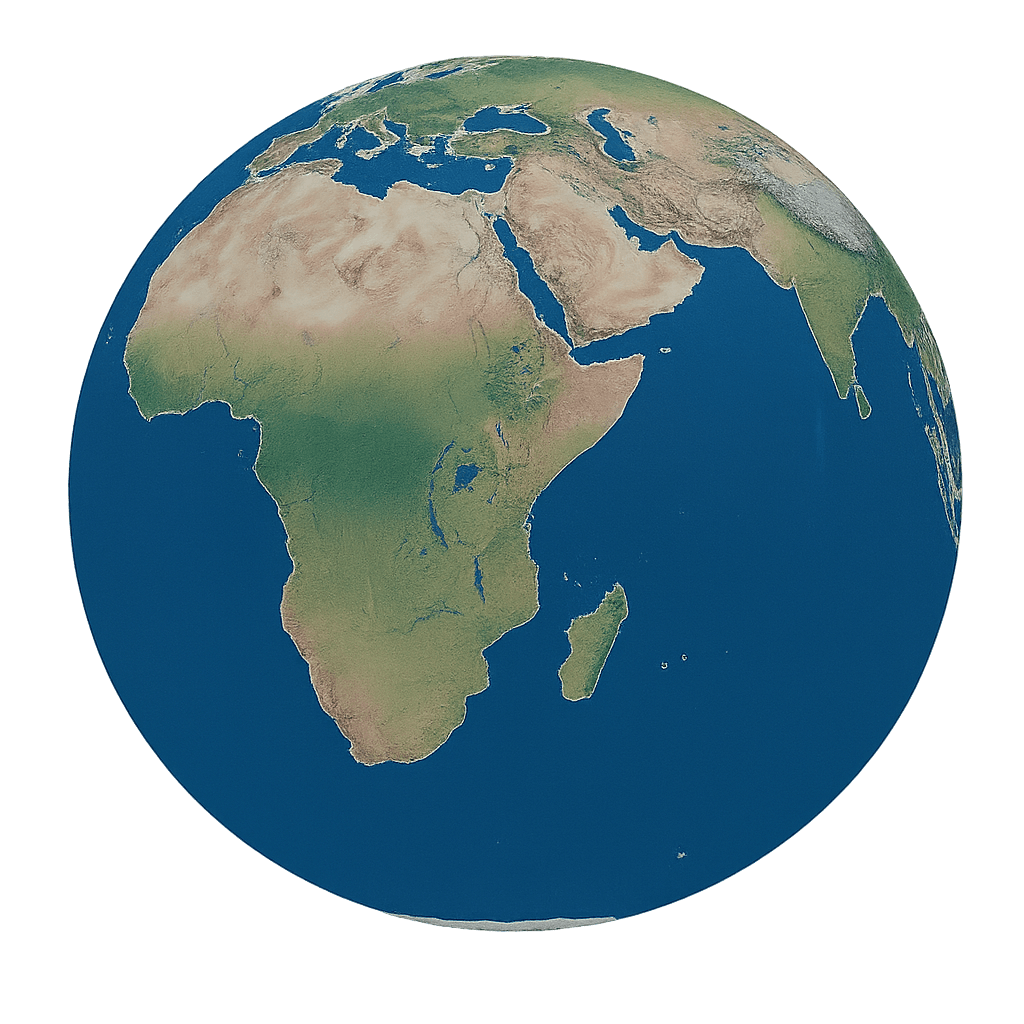
With close to 40 nations comprising their make-up, the Indo-Pacific region covers more than half of the earth’s surface featuring 6 of the most populated countries in the world.
The region is inclusive of over 3,000 languages and dialects and poses some of the most pressing security challenges ranging from skirmishes, drug trafficking, terrorism to natural disasters. Many of the participating countries lie within the “Ring of Fire,” the unsettling area where earthquakes, tsunamis, typhoons, floods and other threats to life and property are most common.
7 of the world’s 10 largest armies are in the region where border disputes and sovereignty concerns are headline events.
The tradition continues
As is customary to conclude every IPAMS, the conference flag was passed from this year’s host to next year’s host, signifying the responsibility of event planning and gathering of participating armies.
The 51st edition of IPAMS will take place in Singapore, where it will share the stage with the bi-annual Indo-Pacific Army Chiefs Conference (IPACC) and Senior Enlisted Leaders Forum (SELF).
Legal Disclaimer:
EIN Presswire provides this news content "as is" without warranty of any kind. We do not accept any responsibility or liability for the accuracy, content, images, videos, licenses, completeness, legality, or reliability of the information contained in this article. If you have any complaints or copyright issues related to this article, kindly contact the author above.
