

IRF Roundtable Pakistan Calls for Action to End Religious Discrimination, Forced Conversions
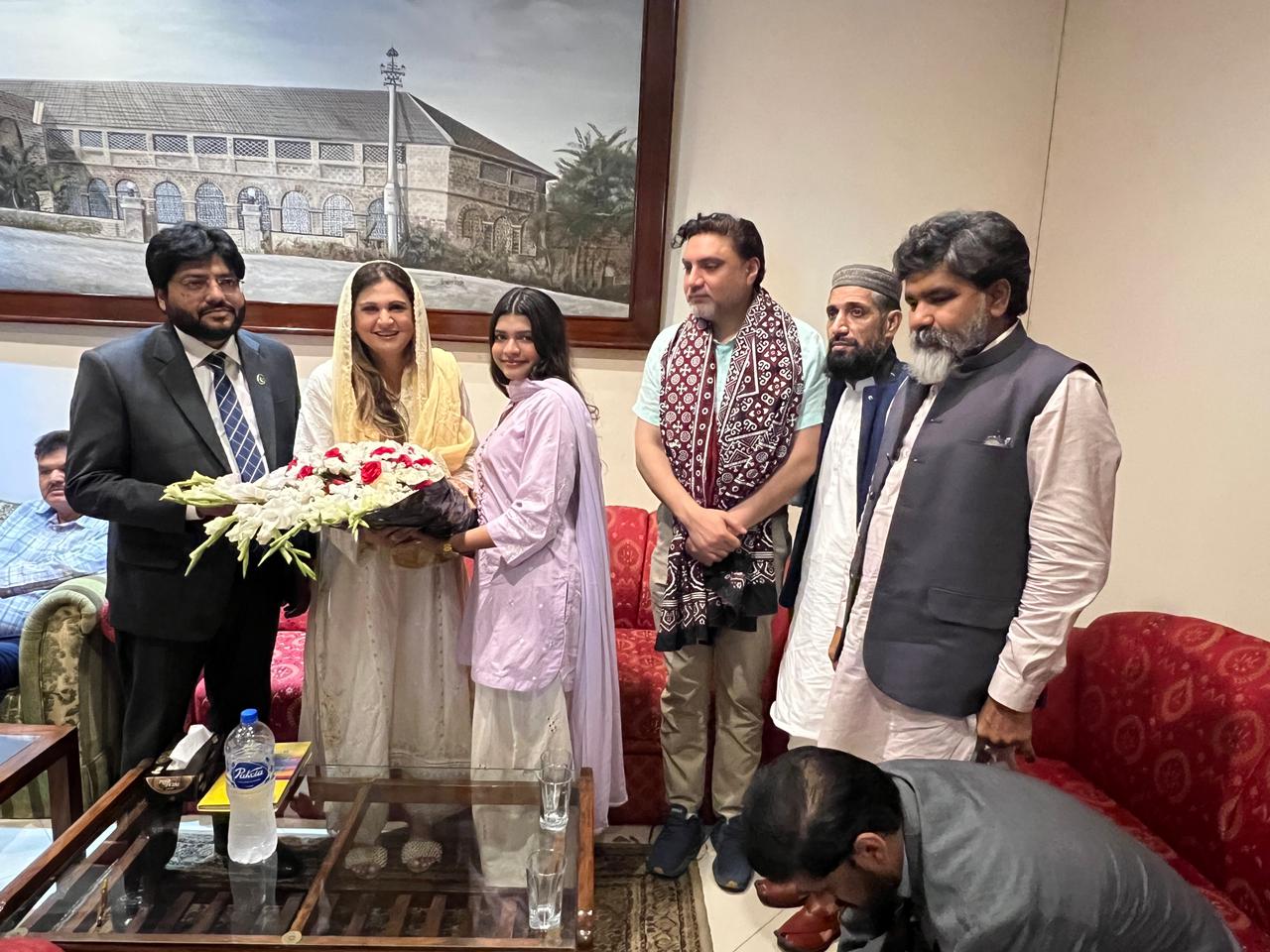
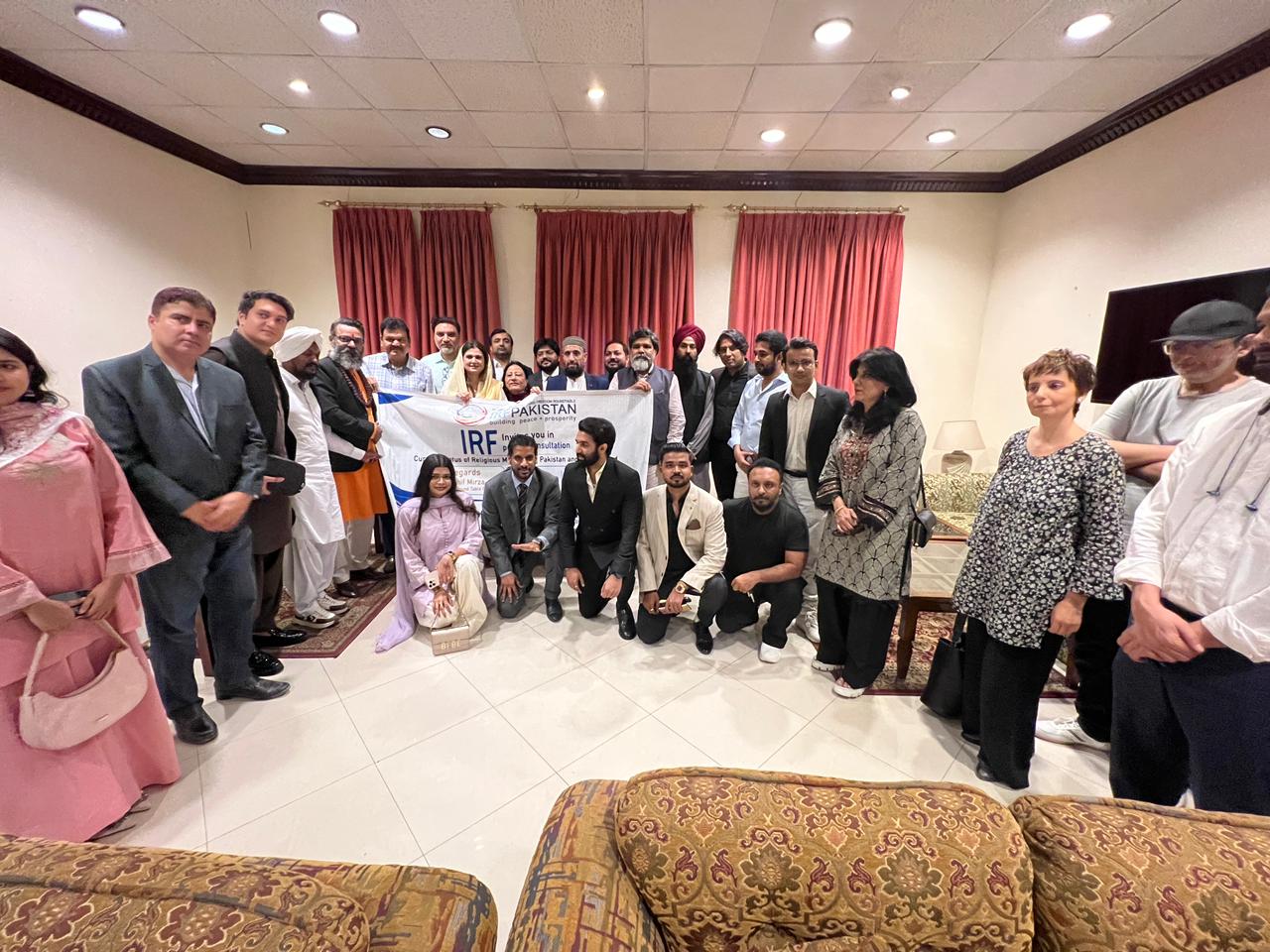
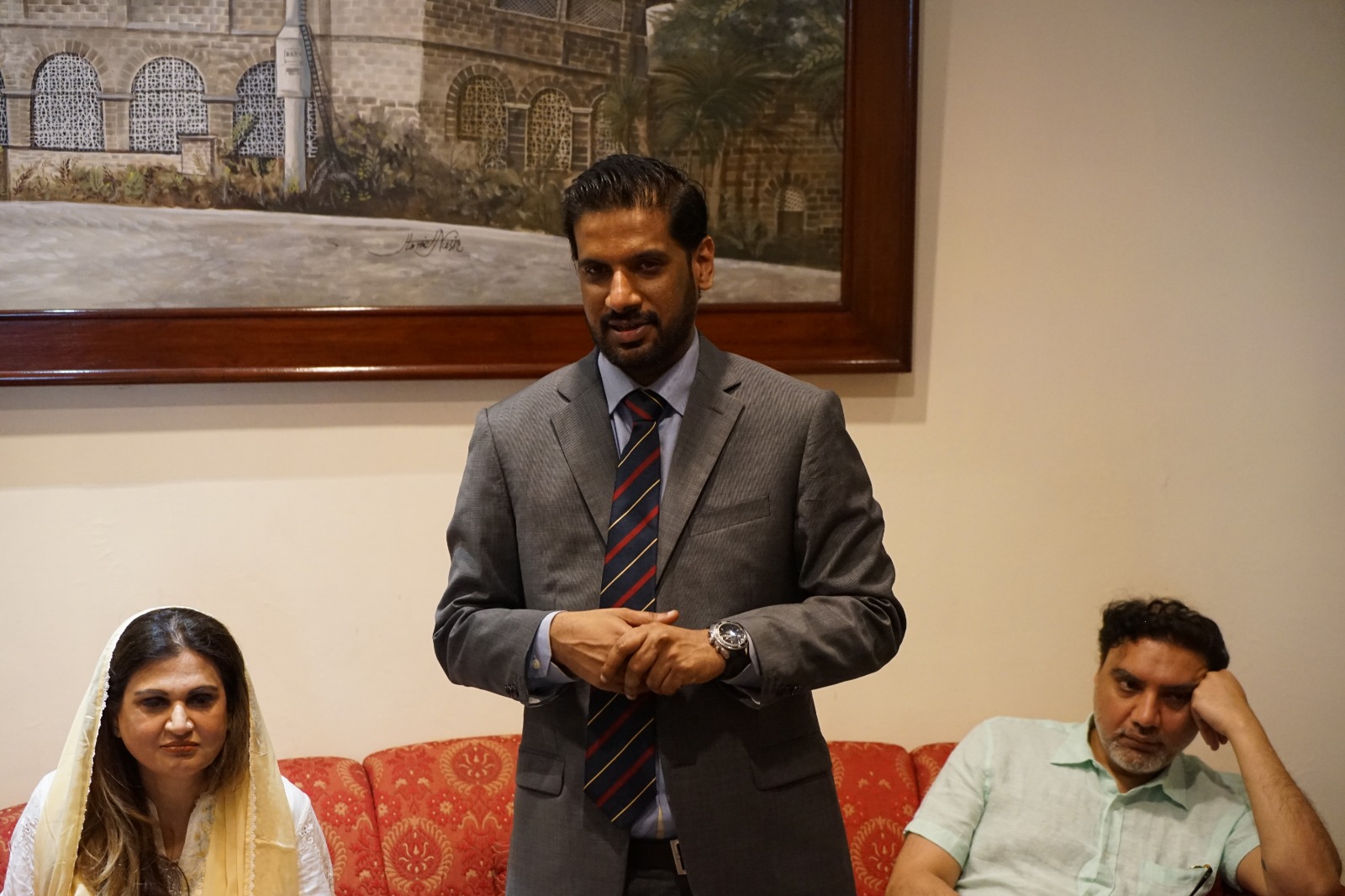
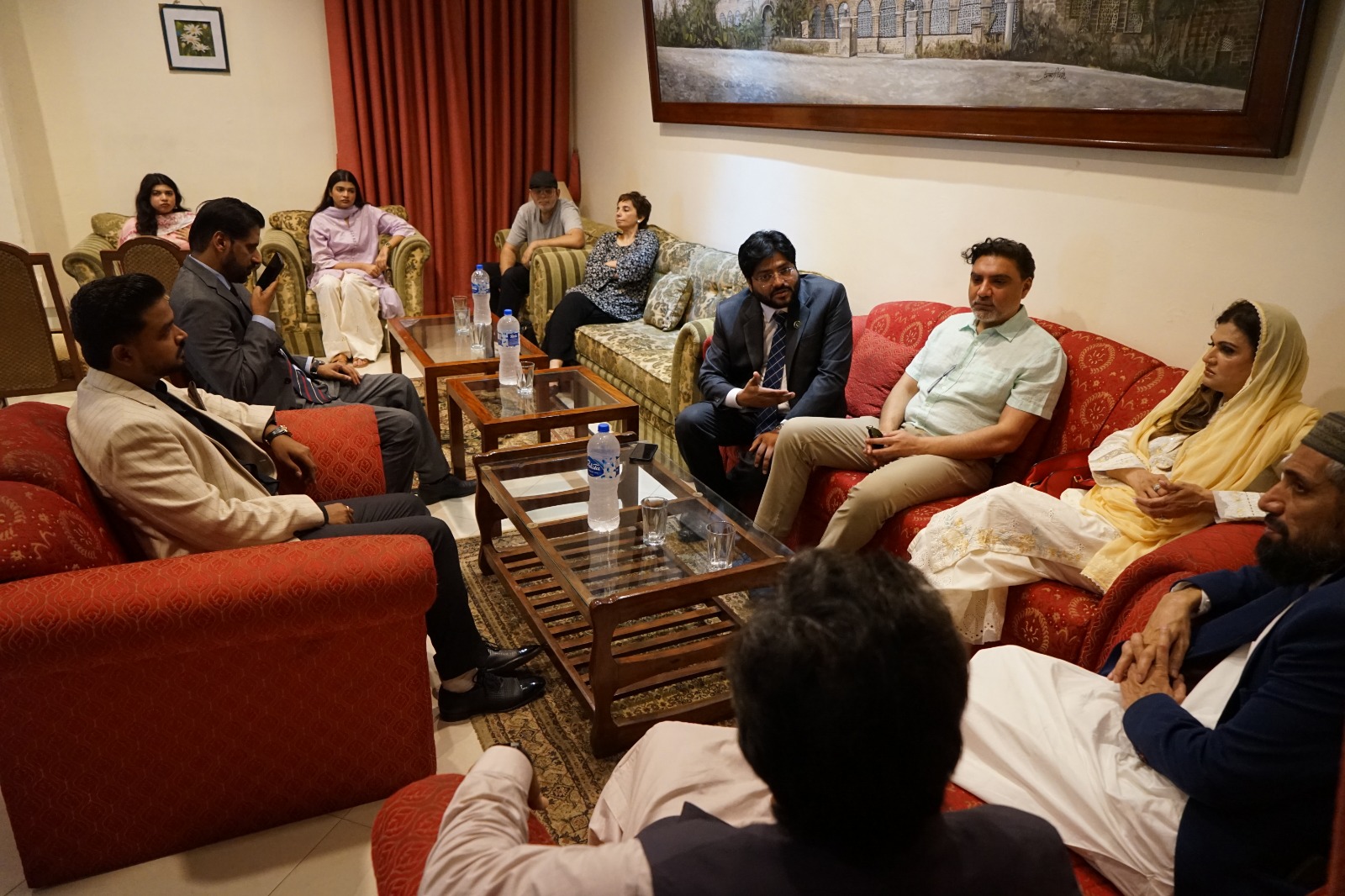
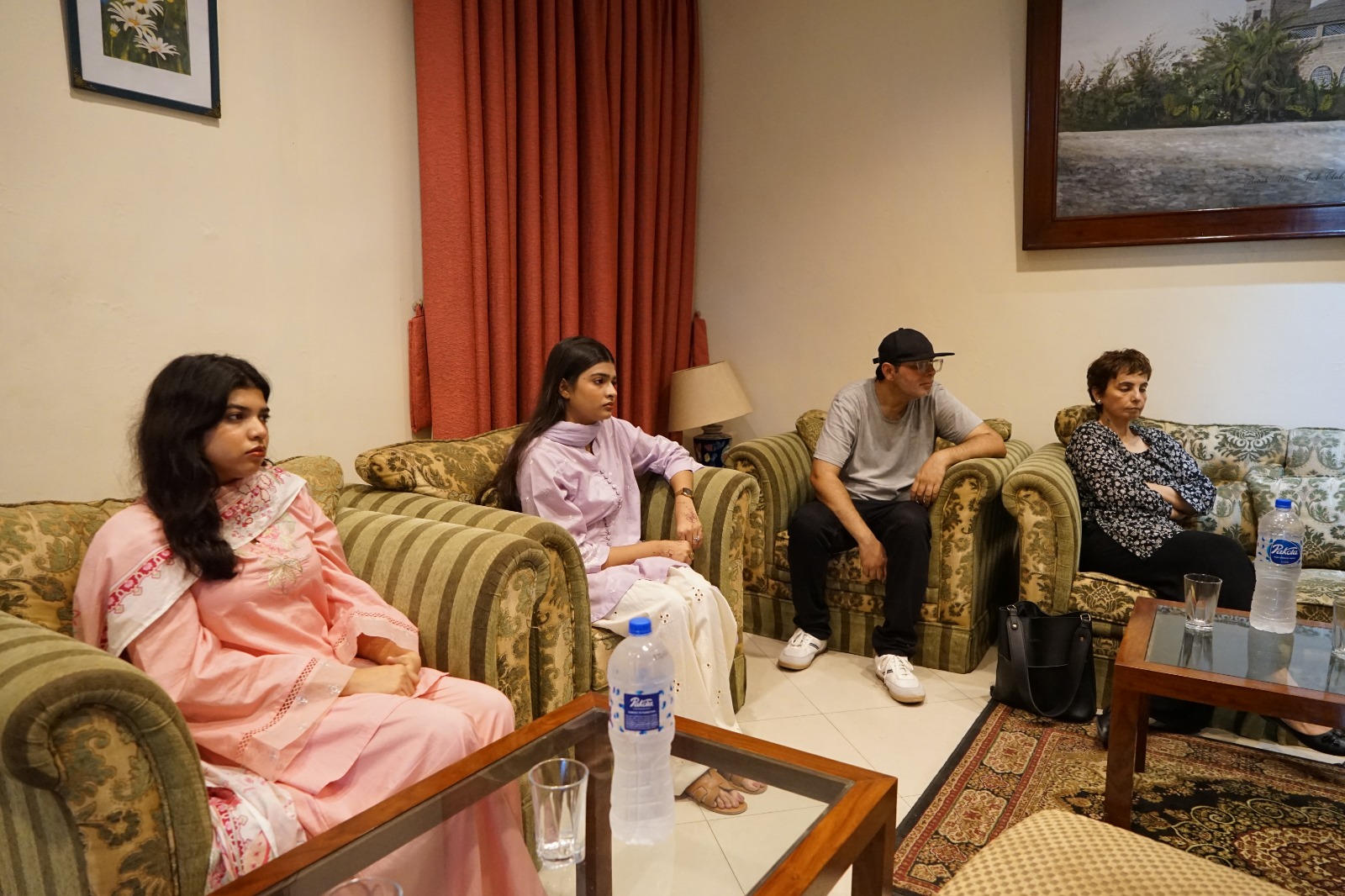
The gathering reviewed the current status of religious minorities in Pakistan, and brought together faith leaders, human rights advocates, journalists, and civil society representatives to call for stronger protections for Christians, Hindus, Sikhs, and all vulnerable religious minority communities.
“As faith leaders, human rights advocates, and citizens of Pakistan, we believe there must be no discrimination on the basis of religion,” said Kashif Mirza, Director of IRF Roundtable Pakistan. “Children have become among the worst victims of religious discrimination. This must stop. Pakistan must protect every child, every woman, and every minority citizen equally under the law.”
The consultation also highlighted recent legislative developments, including the introduction of minority-rights and communal-property protection bills in Punjab by Christian legislator Falbous Christopher, as well as the passage of the National Commission for Minorities Rights Bill 2025 by Pakistan’s Parliament in December 2025. Participants welcomed these steps but stressed that legislation must be matched by real enforcement, accountability, and protection on the ground.
Anila Ali, Co-Chair of IRF Roundtable Pakistan and President of AMMWEC, called for urgent action to end forced conversions and forced marriages.
“Any change of religion or belief must be truly free from coercion, and marriage must be based on full and free consent,” Ali said. “That is not possible when the victim is a child. Pakistan must protect minority girls, hold perpetrators accountable, and ensure that the law never rewards abduction, coercion, or abuse.”
The meeting also echoed concerns raised by international religious freedom experts, who have warned of continued and widespread patterns of abduction and forced religious conversion through marriage affecting women and girls from minority communities in Pakistan. They raised concern over the misuse of blasphemy laws, including reports that hundreds of individuals have been falsely accused through organized schemes of blackmail, intimidation, and extortion.
IRF Roundtable Pakistan urged the Government of Pakistan to address the root causes of forced conversion and forced marriage, including gender inequality, poverty, social exclusion, discrimination against religious minorities, religious intolerance, weak enforcement of the law, and the culture of impunity that allows such abuses to continue.
The consultation concluded with a collective call for Pakistan to strengthen legal protections, ensure accountability, protect minority places of worship and communal property, safeguard women and children, and uphold the constitutional promise of equality for all citizens.
About IRF Roundtable Pakistan
The International Religious Freedom Roundtable Pakistan is a non-partisan, multi-faith platform dedicated to promoting freedom of religion, interfaith harmony, and minority rights within Pakistan. It serves as a bridge between civil society, religious leaders, and government officials to address violence against minorities and strengthen Pakistan’s social fabric.
Media Contact:
IRF Roundtable Pakistan
www.irf.org.pk
Staff Writer
Ammwec
+1 202-600-5186
email us here
Visit us on social media:
LinkedIn
Instagram
Facebook
YouTube
X
Legal Disclaimer:
EIN Presswire provides this news content "as is" without warranty of any kind. We do not accept any responsibility or liability for the accuracy, content, images, videos, licenses, completeness, legality, or reliability of the information contained in this article. If you have any complaints or copyright issues related to this article, kindly contact the author above.
